The Surprising Truth About Progress
Everybody sees the finished product
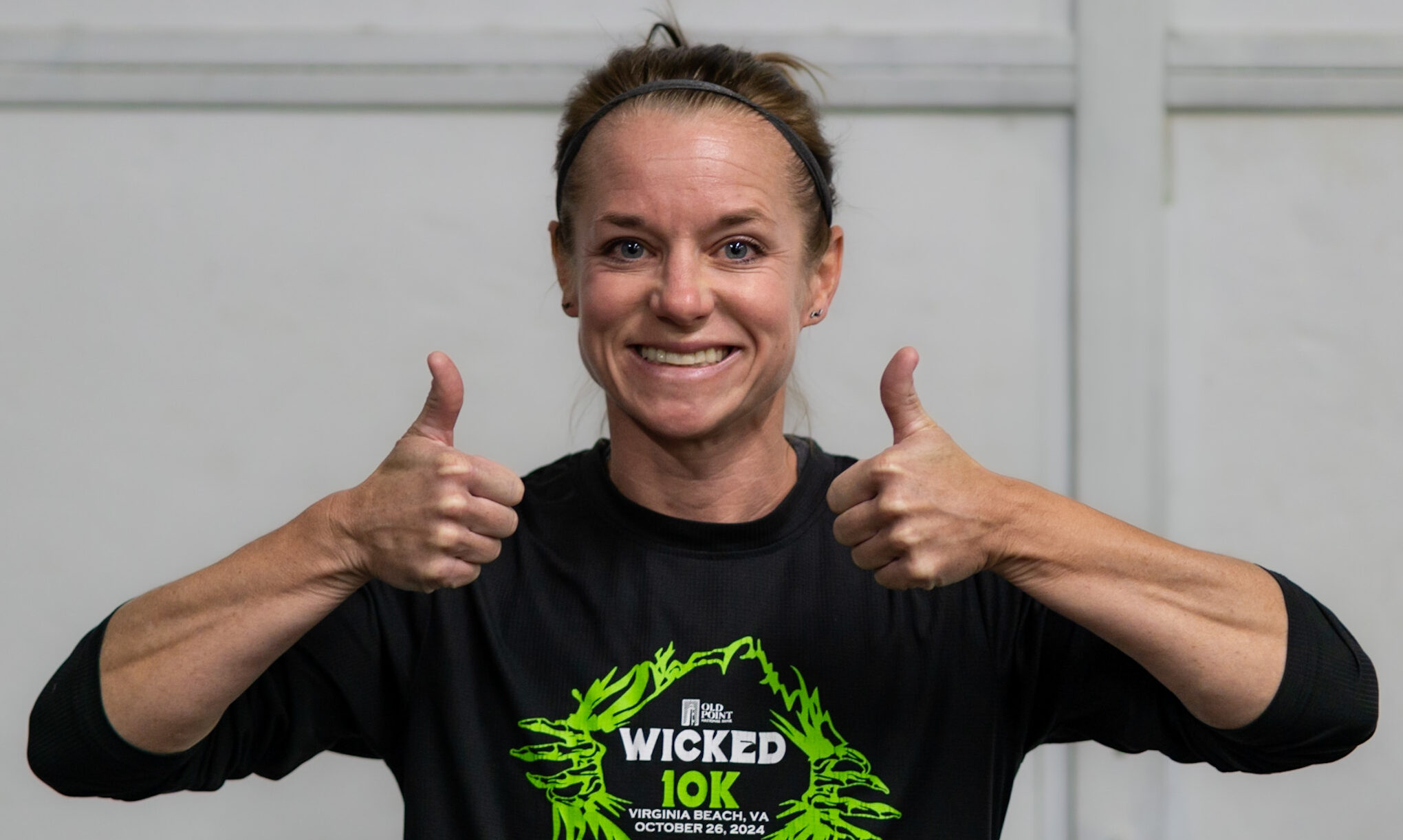
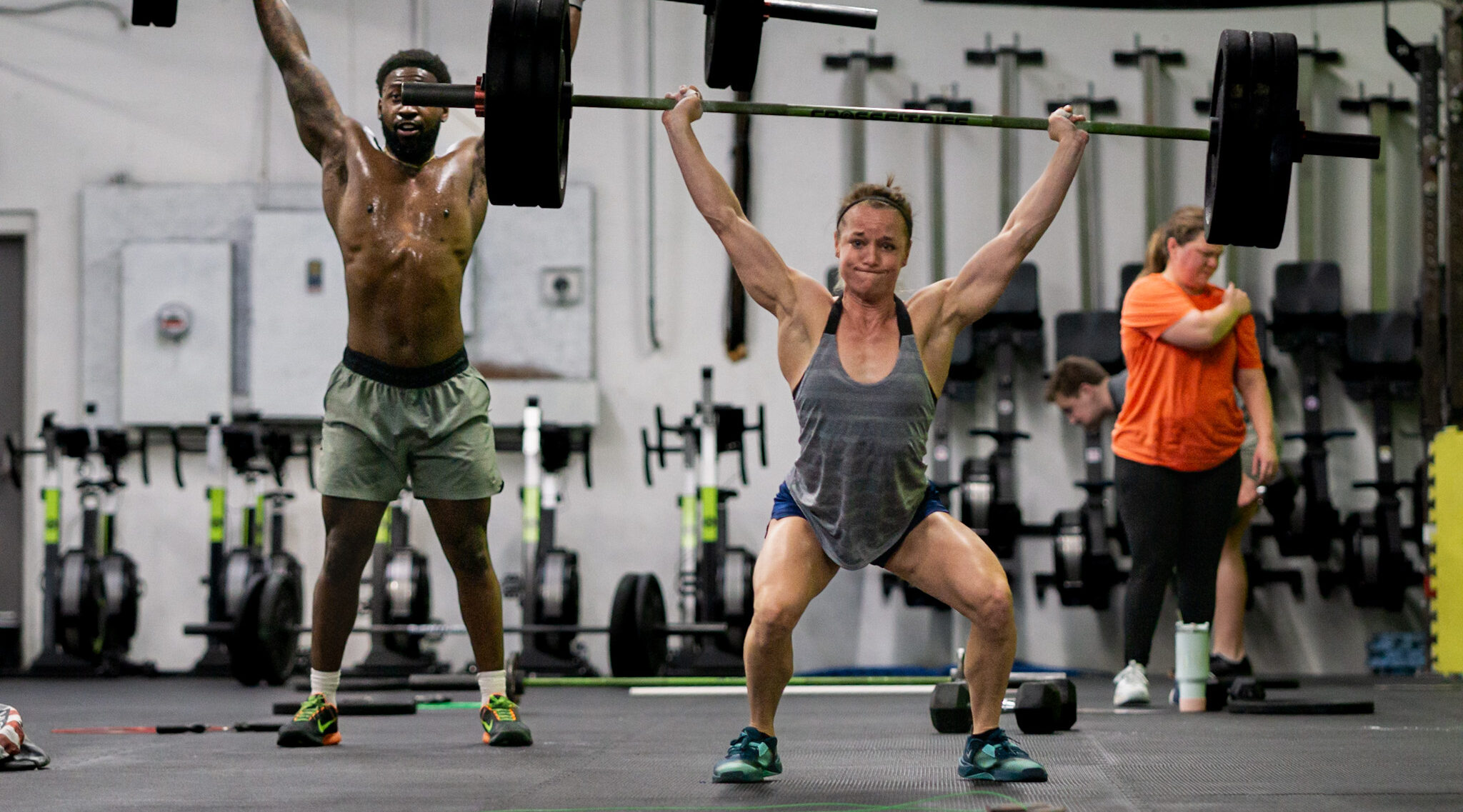
Watch Kaley Norris move through a gymnastics-heavy workout at CrossFit Rife and it is easy to assume she has always known what she is doing. She has an extensive gymnastics background and is a highly capable athlete. What people do not see is the version of Kaley who went to the same 7 p.m. class because she knew the coach and was terrified of looking foolish somewhere else.
The short-girl bar
For roughly six months, she used the training bar because she thought it was intended for short women. She is five feet tall. Nobody had told her otherwise. She laughs about it now, but that story is familiar to anyone who has walked into a CrossFit gym and heard unfamiliar words: snatch, clean, double-under, toes-to-bar. Kaley considered making flashcards. She watched movement videos before class. She asked the coach to show her movements again. This is what starting actually looks like, even for someone who later makes the movements look effortless.
Scaling is not a confession
Kaley scaled workouts for a long time. She remembers members encouraging her to try a heavier wall ball, and realizing she could handle it. She also learned to scale when the workout or her condition called for it. She says she is still a good scaler. That matters. Modifying a workout is not admitting defeat. It is choosing the version that lets you train well today and return tomorrow. Progress is a series of informed decisions, not an endless contest to do the hardest possible version.
Progress is usually quieter than you think
Her butterfly pull-ups did not appear overnight. After years of CrossFit, she decided to learn them, practiced, looked awkward, and improved. The same was true of learning double-unders and lifting technique. Her early strength was gymnastics, not barbell work. She had to learn what a deadlift was, just like other beginners. Being advanced in one area does not exempt anyone from starting over in another.
Fitness takes brains, too
One of Kaley’s best observations is that experience teaches you when not to use all your ability at once. Being able to do 20 toes-to-bar unbroken does not mean it is the best strategy in every workout. Sometimes shorter sets, better pacing, and a little patience produce a stronger result. She has learned this by getting workouts wrong. A bad pacing decision becomes useful information for next time. That is training: effort, feedback, adjustment, repeat.
The right place to start
A first CrossFit class is not an audition. You do not need to know the movements or prove you are already fit enough to belong. You need coaching, a version of the workout that fits you, and the willingness to return. If a pediatrician with years of gymnastics experience can spend six months on the training bar because she misunderstood what it was for, the rest of us can afford to ask a few questions. Start where you are. Get good at showing up. Let the years do their work.