A pediatrician and longtime gymnastics coach on confidence, movement, and failure
The first week is chaos
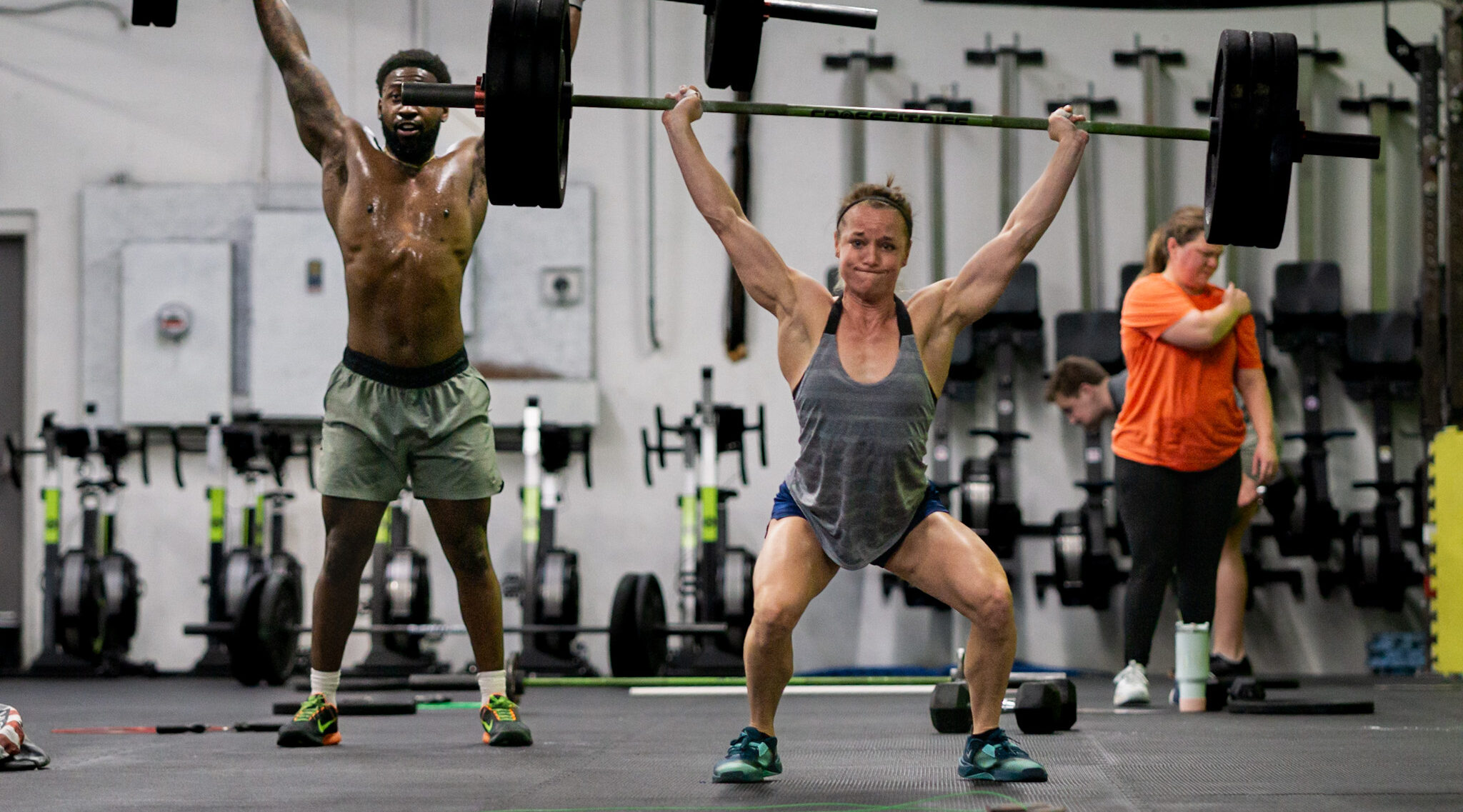
Dr. Kaley Norris has spent much of her life around kids: first as a gymnastics coach, then as a pediatrician. She remembers setting up movement stations for little children. The first week could be chaos. Kids cried, wanted their parents, and wandered between stations without understanding the routine. By week two, they remembered the pattern. Soon they were moving through it confidently. Nothing magical happened between those weeks. They had another chance to try.
The lesson underneath the movement
Kaley coached gymnastics from her teens, eventually spending years teaching children as young as toddlers. She saw coordination and body awareness improve with practice, but she also saw something less visible: children learning that confusion is temporary. A movement that feels impossible becomes familiar. The child who needed constant direction starts to navigate the room independently. Those are small victories worth celebrating.
When the sport stops belonging to the kid
Kaley was a competitive gymnast for years. At one point, the long practices and pressure drained the fun from it. She remembers wanting to visit friends and hearing that gymnastics practice came first. Later, when she did gymnastics for herself and competed through school and college in a different environment, she improved and enjoyed it more. She cannot isolate exactly why; maturity, coaching, and motivation may all have played a part. But the experience left her with a strong conviction: children need room to enjoy movement and have some ownership over what they do.
Celebrate the right victories
Adults are quick to measure outcomes: who won, who scored, who made the team. Kaley argues for noticing effort and progress. A child learns the circuit. A beginner tries a handstand. Someone strings together two pull-ups after months of being unable to do one. The result matters less than the evidence that practice changes what is possible. The same coaching principle works with adults. A good coach recognizes progress that a leaderboard cannot capture.
Failure is a skill, not an emergency
Gymnastics gave Kaley another lesson. You perform on a narrow beam with people watching, and sometimes you fall. She remembers the embarrassment, but also the realization that people move on. In the podcast, she worries that adults sometimes try so hard to shield children from failure that kids miss the chance to learn how to handle it. We can be supportive without removing every hard moment. A missed attempt can become a chance to laugh, regroup, and try again.
What parents can take from this
Kids do not need to train like professional athletes to benefit from movement. They need opportunities to move, experiment, be coached, and discover what they enjoy. Encourage the small wins. Let them be beginners. Give them room to fail safely. And remember that the adults around them are learning the same lesson: confidence is not the absence of struggle. It is what grows when you have struggled before and know you can keep going.